If you want a different day trip from Lloret de Mar into southern France, the Gruissan salt pans make a striking stop before exploring the area around Pierre Richard’s vineyard. On Île Saint-Martin beside Gruissan, salt ponds can turn shades of pink, while white salt piles, birds, boardwalks and the Mediterranean horizon create a landscape unlike the Costa Brava.
Where are the pink salt pans of Gruissan?
The salt pans are on Île Saint-Martin in Gruissan, in France’s Aude department near Narbonne and the Mediterranean coast. From Lloret de Mar, the drive crosses the French border and continues towards Narbonne and Gruissan, making this a natural full-day excursion.
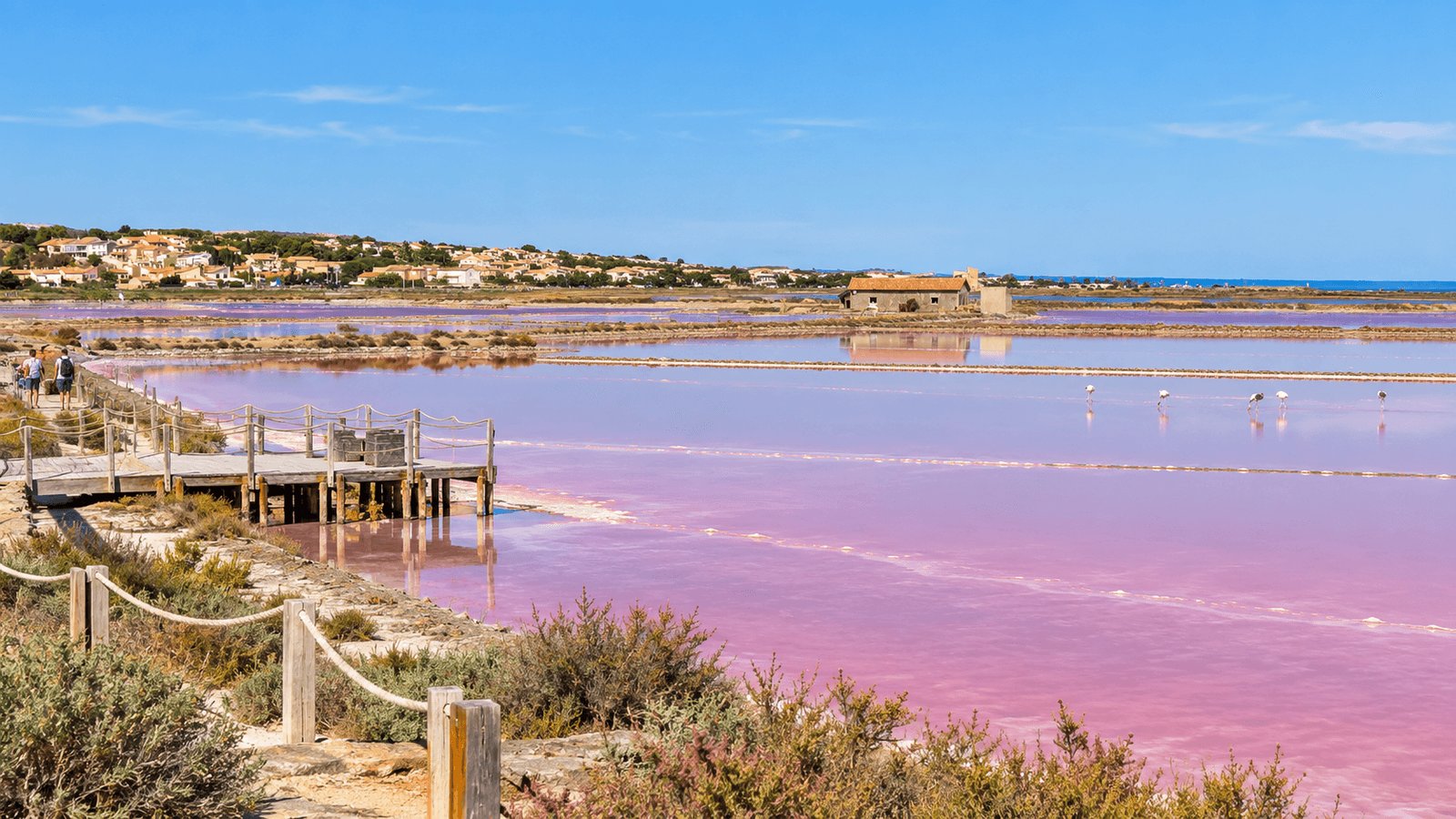
The site is known as the Salin de l’Île Saint-Martin de Gruissan. It is not simply a “pink lake” but a working salt landscape made up of ponds through which seawater moves and gradually becomes concentrated until salt can crystallise.
If Lloret is your base for exploring the region, you can also browse homes in Lloret de Mar.
Why does the water look pink?
Colour depends on salt concentration, microorganisms, sunlight, season and weather. The water therefore does not look exactly the same every day. Under suitable conditions some ponds become pink, lilac or reddish; at other times they may appear paler or more blue.
That changing palette is part of the attraction. Straight dykes divide the water into a geometric mosaic, while white salt and low coastal vegetation add contrast.
What can you do at the Gruissan salt pans?
A visit is an opportunity to learn how salt production works and see a landscape that is often only glimpsed from a road. Depending on the season and programme, guided or interpretive visits explain the salt worker’s craft, water circulation and salt harvesting.
It is also worth coming simply to walk and look. Viewpoints reveal the ponds, traditional structures and birdlife. The atmosphere is defined by open space, wind, reflections and silence.
Local salt products and food connected with the area can also be found around the site. Opening hours, tours and services vary seasonally, so check current official information before travelling.
Can you see flamingos and other birds?
Gruissan’s coastal wetlands provide habitat for many birds. Flamingos are the most eye-catching visitors when present, alongside other water and wading species.
Bring binoculars if wildlife interests you and keep a respectful distance. These are wild birds, so sightings can never be guaranteed.
Why are the salt pans so photogenic?
The landscape is built around long horizontal lines and shifting colour. Ponds form broad geometric surfaces separated by narrow tracks and dykes. In calm conditions the water acts like a mirror, and pink tones can contrast dramatically with blue sky and white salt.
Early and late daylight often produces softer shadows and appealing reflections. Midday can still be beautiful, but summer sun is strong and shade is limited.
What does the trip have to do with Pierre Richard?
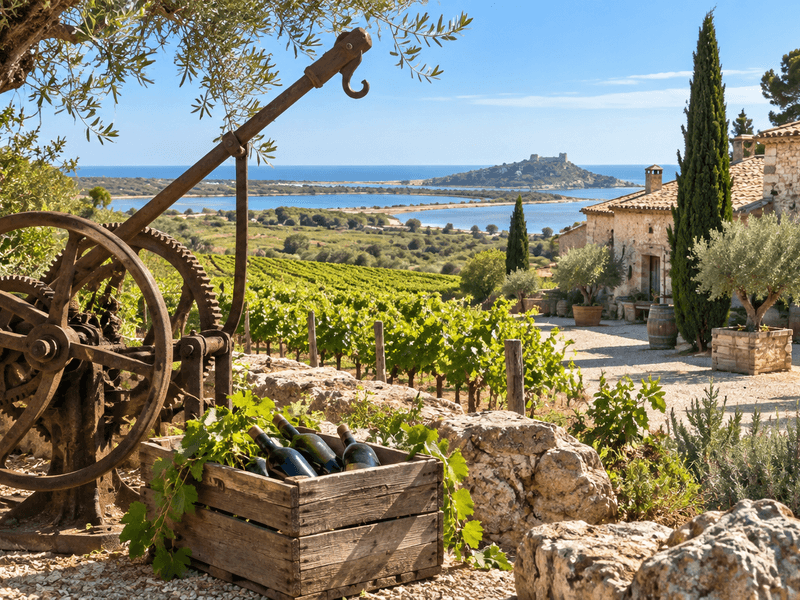
French actor Pierre Richard is associated with Château Bel Évêque, his wine estate in the Gruissan area. The vineyard and salt pans belong to the same Mediterranean landscape and can be combined on one outing, provided you check visiting arrangements in advance.
Moving from salt ponds to vineyards in a single day highlights the remarkable variety of the Aude coastline.
What else should you see in Gruissan?
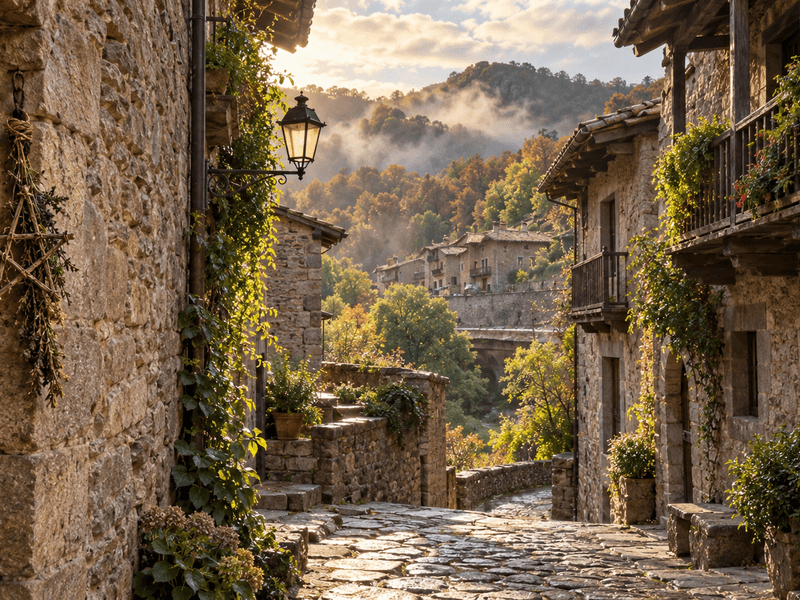
Gruissan’s old village curls around the medieval Barberousse tower and has narrow southern French streets. The town also offers a marina, broad beaches and the distinctive stilted chalets of Gruissan-Plage.
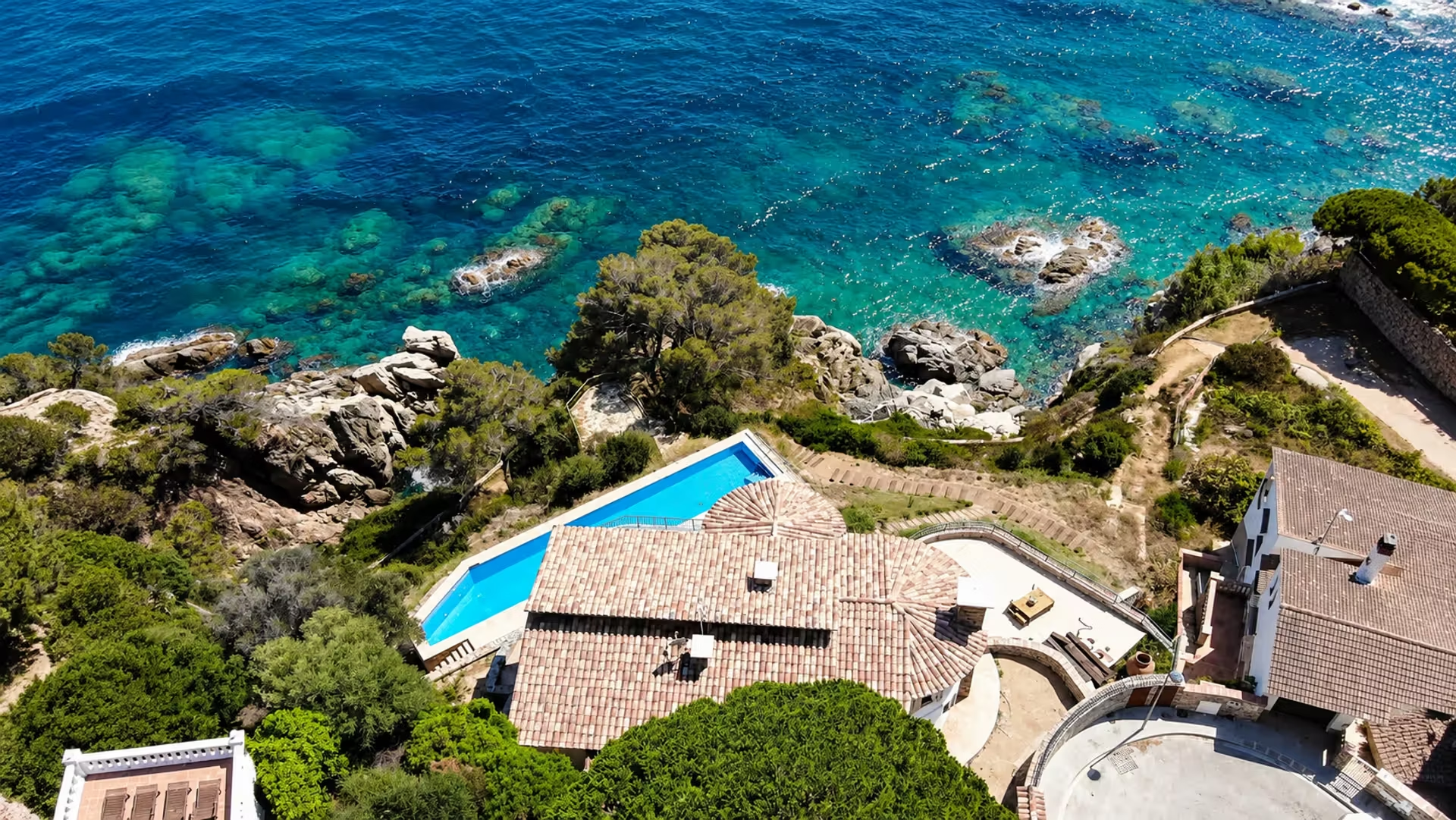
With a full day, combine the salt pans, old town, seafront and a relaxed meal. For a contrast closer to home, browse property in Blanes or property in Tossa de Mar.
How much time should you allow?
From Lloret de Mar, plan a full day rather than a rushed return journey. Driving time depends on traffic and route, and Gruissan has enough to reward several stops.
Take water, sun protection and comfortable shoes. This exposed landscape can also be windy on bright days. Outside high season, checking opening hours is particularly important.
Is Gruissan worth the drive from Lloret de Mar?
Yes, especially if you already know the classic Costa Brava outings and want a different landscape. Within a few hours, Girona’s coves and wooded hills give way to salt pans, wetlands, vineyards and villages of southern France.
It also illustrates the geographical appeal of living or spending long periods in Lloret de Mar. If you are looking for a second home that gives you access to both the Costa Brava and cross-border road trips, AllCostaBrava can help you find the right property.
Frequently asked questions
Are the Gruissan salt pans always pink?
No. Colour varies with salinity, microorganisms, light, season and other natural conditions.
Can you visit the Gruissan salt pans?
Yes. Visits and activities are available, but schedules and formats are seasonal, so check current information before travelling.
Can you see flamingos there?
Flamingos and other wetland birds may be seen, but because they are wild their presence is not guaranteed.
Can you combine it with Pierre Richard’s vineyard?
Yes. Château Bel Évêque is in the Gruissan area, making it possible to combine salt pans, village scenery and vineyards in one day, subject to visiting arrangements.