Rupit i Pruit is one of those places where landscape and architecture make old legends feel surprisingly plausible. Stone houses, narrow lanes, damp forests and ravines have inspired stories of witches, healers and mysterious events for generations. Rather than searching for provable supernatural history, a visit to Rupit reveals how Catalan rural folklore lives alongside an exceptionally preserved historic village and the dramatic scenery of Collsacabra.
Why is Rupit known as the village of witches?
Rupit's association with witches belongs mainly to popular tradition. In Catalonia, as elsewhere in Europe, storms, illnesses, failed harvests and other unexplained events were once blamed on alleged witches. In rural communities, knowledge of medicinal plants and traditional remedies could also become surrounded by suspicion and mystery.
Rupit has many ingredients that keep this imagination alive: historical isolation, mountains, mist, woodland, scattered farmhouses and architecture that seems to belong to another century. Today, the “village of witches” label is best understood as an invitation into local folklore, while distinguishing legends from documented history.
What makes Rupit's old village special?
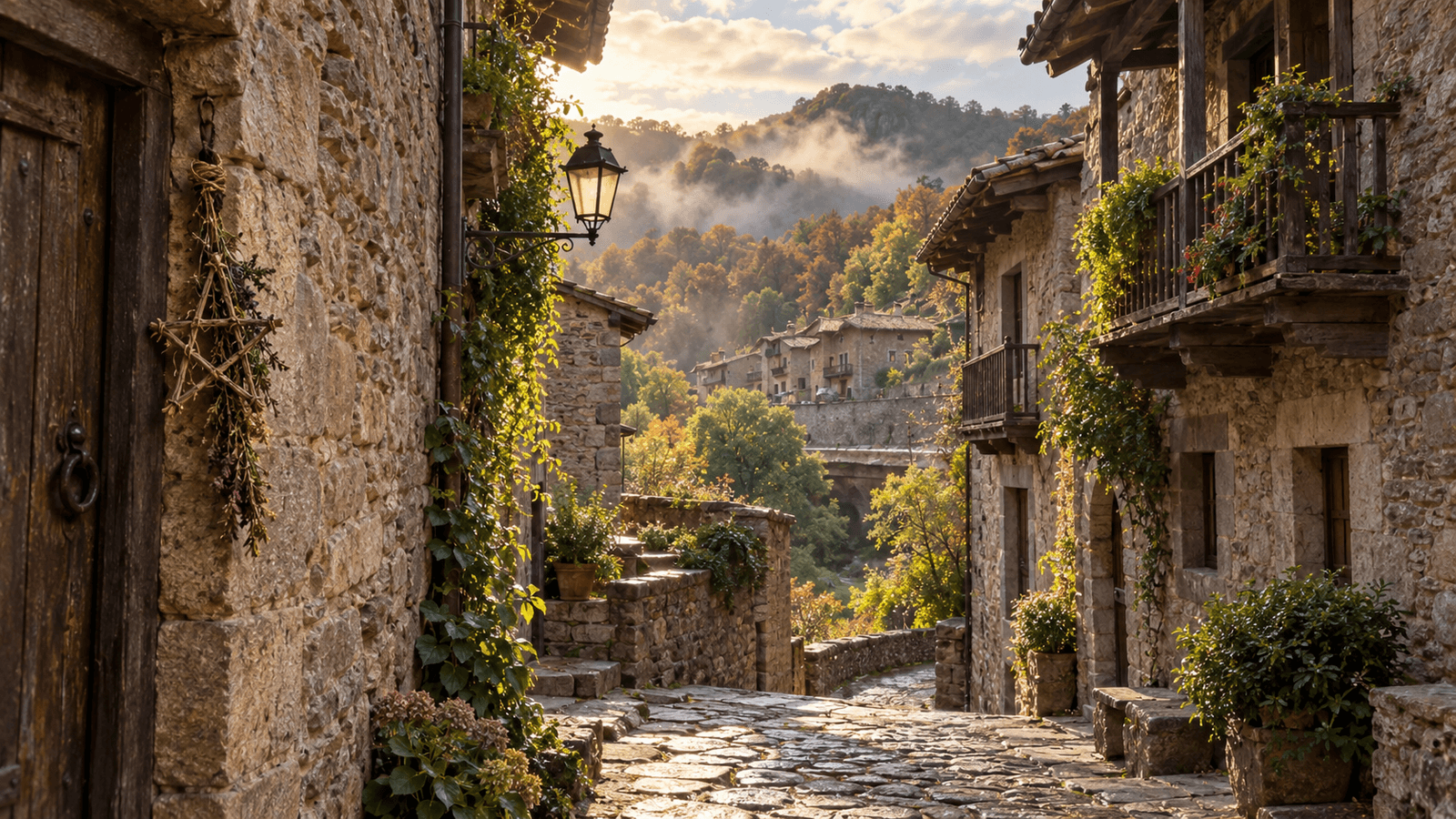
Stone defines the experience. Rupit preserves cobbled lanes, old façades, wooden balconies, doorways and tiny corners worth exploring slowly. Its steep terrain creates constant changes of level and beautiful views between houses and surrounding hills.
The pedestrian suspension bridge is one of the village's best-known landmarks. Crossing it also illustrates how closely Rupit is shaped by its rugged terrain.
The best way to experience the village is simply to walk. Small squares, stairways, passages and façades can be as memorable as the headline sights.
Where do witches appear in local legends?
Witchcraft tales from inland Catalonia commonly feature nocturnal gatherings, spells, unnatural storms and women believed to possess extraordinary powers. Over time, oral stories blended with family tales and later popular reinterpretations.
Rupit's setting strengthens the atmosphere. At dusk the stone darkens, woodland begins almost at the last houses and running water accompanies some paths. It is easy to see why such surroundings generated stories passed from one generation to another.
For today's visitor, the appeal lies in allowing folklore to add another layer to the landscape without presenting legend as established fact.
What nature can you explore around Rupit?
Rupit sits in the Collsacabra landscape of forests, cliffs, streams and broad viewpoints. One of the best-known walks leads towards Salt de Sallent, a striking waterfall whose appearance varies greatly with rainfall and season.
Suitable footwear is important, and walkers should check trail and weather conditions, especially after rain. Rock and steep ground can become slippery.
The contrast between medieval streets and open countryside is a strong reason to allow a full day: explore the village first, then continue into the surrounding landscape.
When is the best time to visit Rupit?
Autumn is particularly atmospheric, when ochre and red woodland frames the stone village. Spring brings abundant vegetation and often pleasant walking conditions. In summer, arriving early helps avoid both crowds and the hottest hours.
Winter mist and cold can make Rupit especially evocative, but road and trail conditions should always be checked during adverse weather. Weekends and public holidays can be busy, so an early start usually gives a quieter experience.
Is Rupit worth visiting from the Costa Brava?
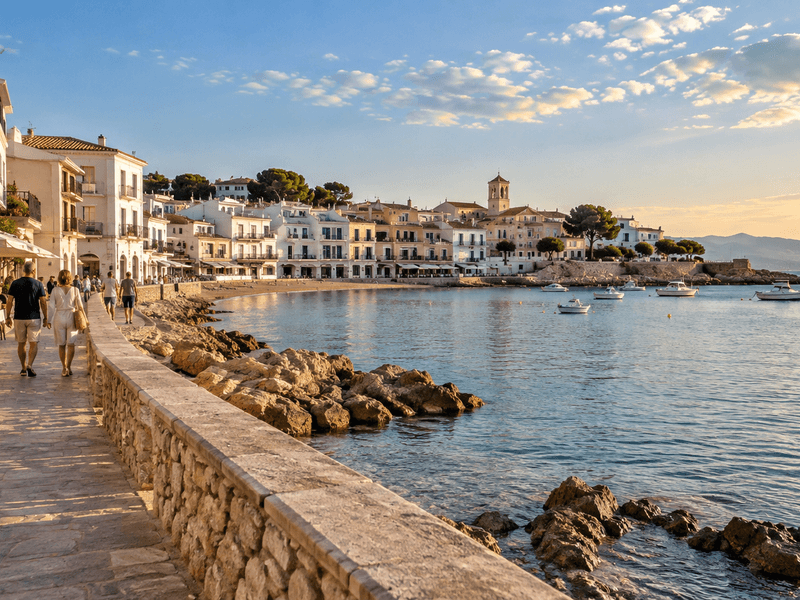
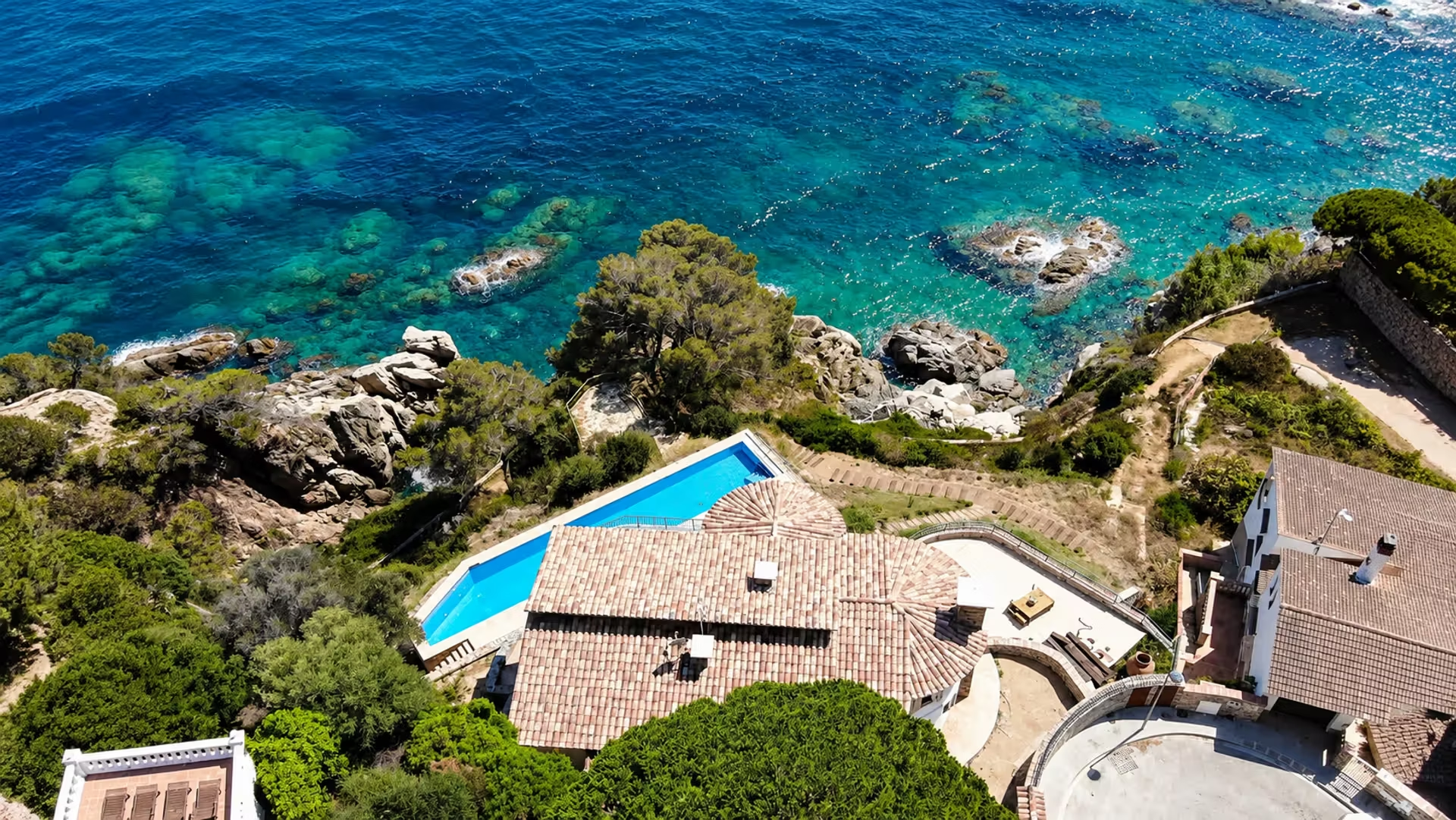
Yes, especially if you want to combine sea and mountains during a stay in Catalonia. The scenery changes completely: Mediterranean beaches give way to forests, cliffs and rural stone architecture.
For second-home owners, this variety is one of the region's advantages. You can explore homes in Lloret de Mar, Blanes or Tossa de Mar, while keeping Rupit among the rewarding inland day trips within Catalonia.
What should you know before visiting?
Rupit is best explored slowly. The historic centre has slopes and uneven paving, so comfortable footwear matters. If you continue onto walking routes, carry water and prepare for changing mountain weather.
Remember, too, that this is a living village rather than a film set. Respecting residents and supporting local businesses helps preserve the character visitors come to enjoy.
If exploring Catalonia makes you consider spending more time here, AllCostaBrava can help you find a coastal home that becomes a base for discovering places such as Rupit throughout the year.
Frequently asked questions
Is Rupit really a village of witches?
The nickname is linked to folklore and the wider witch legends of inland Catalonia. It does not mean every popular story is historically documented.
What should I not miss in Rupit?
Walk through the stone old village, see its balconies and suspension bridge and, when conditions are safe, consider a walk towards Salt de Sallent.
How long do you need in Rupit?
A few hours cover the historic centre, but a full day is better if you want to hike nearby and enjoy a relaxed meal.
Is autumn a good time to visit?
Yes. Woodland colours make the scenery particularly beautiful, although checking weather and trail conditions remains important.